



What is Silanol Terminated Polydimethylsiloxane (STPDMS)?
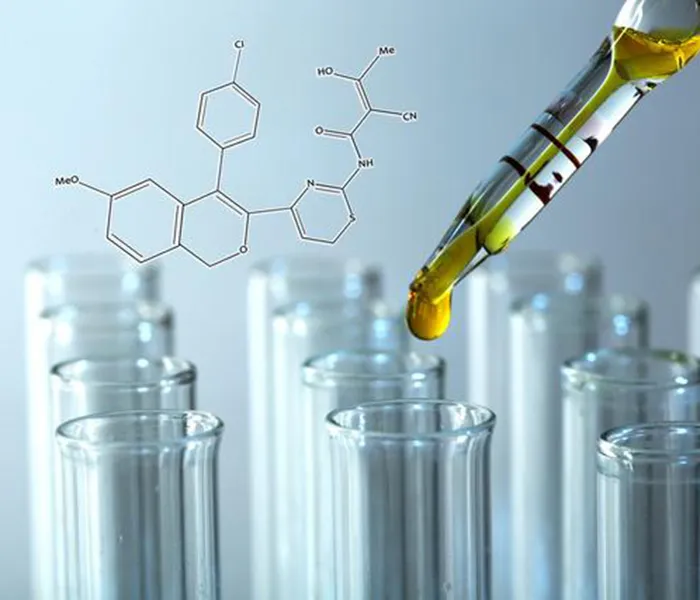
Silanol Terminated Polydimethylsiloxane (STPDMS) is a unique silicone compound used in a variety of industrial and commercial applications. It consists of polydimethylsiloxane (PDMS) molecules with terminal silanol groups (-SiOH) that give it distinct chemical properties. This modification allows for enhanced adhesion, improved surface interactions, and increased stability, making it ideal for many applications.
Key Features and Advantages of Silanol Terminated Polydimethylsiloxane
Thermal Stability of STPDMS
One of the key features of STPDMS is its exceptional thermal stability. It can withstand high temperatures, making it perfect for applications that require materials to perform under heat stress without degradation. This makes it a preferred choice for industries like automotive and electronics.
Chemical Resistance and Flexibility of STPDMS
STPDMS is highly resistant to various chemicals, including oils, fuels, and solvents. Its flexibility and durability make it suitable for seals and coatings that must endure aggressive environmental conditions.
Adhesive and Bonding Capabilities of STPDMS
Thanks to its silanol groups, STPDMS offers superior adhesion properties, especially in bonding substrates like metals, glass, and ceramics. This makes it ideal for use in coatings, sealants, and adhesives.
Applications of Silanol Terminated Polydimethylsiloxane
STPDMS is a versatile material, with applications across multiple industries. Here are some key areas where it is commonly used:
STPDMS in Construction: Sealing and Coating
STPDMS is widely used in the construction industry due to its excellent sealing properties. It is used in waterproofing membranes, adhesives, and coatings that protect buildings and infrastructure from the elements.
STPDMS in Electronics: Protective Coatings and Insulation
In the electronics industry, STPDMS is used as a protective coating for components. Its chemical resistance and electrical insulating properties make it an ideal choice for coating wires, circuit boards, and other sensitive parts.
STPDMS in the Automotive Industry: Seals and Gaskets
In the automotive sector, STPDMS is used for manufacturing seals and gaskets that need to perform in high-temperature environments. Its flexibility and resistance to oils and fuels make it a key component in vehicle engines, transmissions, and exhaust systems.
STPDMS in Medical Devices: Coatings and Bonding
STPDMS is also used in medical devices. Its biocompatibility, chemical resistance, and ability to form strong bonds make it a reliable choice for coating medical instruments and bonding materials used in devices.
STPDMS in the Rubber Industry: Mold Release Agents
In the rubber industry, STPDMS is used as a mold release agent, ensuring that rubber components are easily removed from molds without damage. Its lubricating properties prevent sticking and wear on molds.
Why Choose Silanol Terminated Polydimethylsiloxane? Insights from Industry Experts
STPDMS offers a range of benefits that make it a preferred choice in various industrial applications. Experts recommend STPDMS due to its durability, versatility, and cost-effectiveness. Its ability to perform across different temperatures and environments ensures that it delivers consistent results, making it a reliable material for critical applications.
The adhesive properties of clear colorless STPDMS ensure a strong bond between materials, which is crucial in industries like automotive manufacturing and construction. Additionally, its chemical resistance and thermal stability make it suitable for long-lasting, high-performance applications in harsh conditions.
Future Trends in the Use of Silanol Terminated Polydimethylsiloxane
Looking ahead, the demand for STPDMS is expected to grow due to its increasing use in advanced technologies. As industries seek more durable and cost-effective materials, STPDMS is poised to play a significant role in the development of innovative products, particularly in fields like electronics, automotive, and healthcare.
Sustainability is another key trend driving future developments in STPDMS. Manufacturers are looking for ways to make STPDMS more eco-friendly, improving its environmental footprint without compromising its performance.
Frequently Asked Questions (FAQ)
1. How should Silanol Terminated Polydimethylsiloxane be stored?
STPDMS should be stored in a cool, dry place, away from direct sunlight and heat sources. Proper storage ensures its longevity and preserves its chemical properties.
2. Can STPDMS be used in food contact applications?
STPDMS is non-toxic and can be used in applications that do not directly contact food. However, it must meet regulatory approvals to be certified for food-grade use.
3. Is Silanol Terminated Polydimethylsiloxane safe for use in medical devices?
Yes, STPDMS is biocompatible and is widely used in medical device manufacturing, particularly for bonding and coating medical instruments.
4. What industries benefit the most from STPDMS?
Industries like construction, automotive, electronics, medical devices, and the rubber industry benefit significantly from the properties of STPDMS.
Conclusion: Silanol Terminated Polydimethylsiloxane as a Versatile Material
Silanol Terminated Polydimethylsiloxane (STPDMS) is a versatile, high-performance material with a wide range of applications across industries. Its superior adhesion, chemical resistance, and thermal stability make it an essential component in many manufacturing processes. As demand grows for more durable and sustainable materials, STPDMS is set to remain a key player in industries ranging from electronics to healthcare.
Contact us today to learn more about how Silanol Terminated Polydimethylsiloxane can improve your next project.