





Bis[3-(triethoxysilyl)propyl] disulfide (TESPD) is a bifunctional silane coupling agent that plays a pivotal role in improving the performance of composite materials, particularly in the rubber and tire industries. This article explores how TESPD enhances adhesion between organic polymers and inorganic materials like silica, leading to improved mechanical properties in rubber products.

What is TESPD? Understanding Its Role in Rubber and Tire Manufacturing
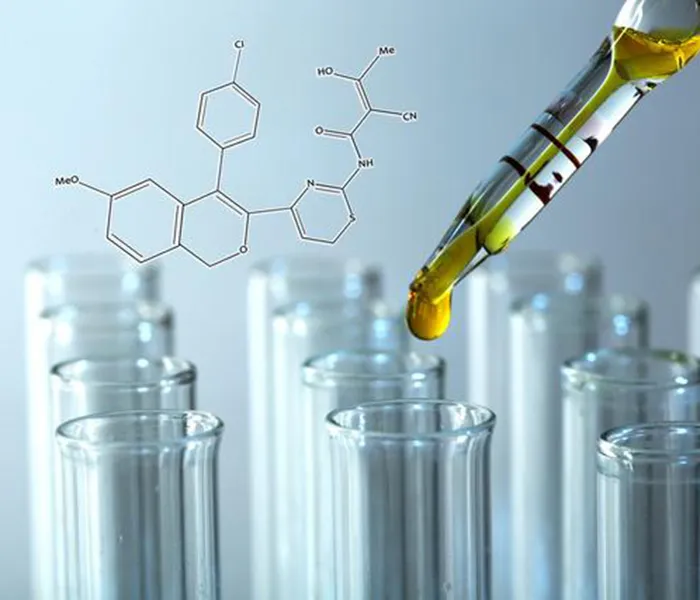
TESPD is a clear, slightly yellow liquid with the chemical formula (C₂H₅O)₃Si(CH₂)₃SSS(CH₂)₃Si(OC₂H₅)₃. This powerful silane coupling agent is essential for improving the interaction between silica and rubber, resulting in better mechanical properties, including tensile strength, wear resistance, and durability. Its dual-functionality—silane groups for bonding with silica and disulfide groups for cross-linking—makes TESPD an indispensable compound in high-performance rubber manufacturing.
Chemical Structure and Functionality of TESPD
TESPD’s structure consists of two silane groups (Si-OC₂H₅) and a disulfide bridge (SSS), connected by a propyl group (CH₂)₃. The silane groups react with the silica surface, while the disulfide group facilitates cross-linking in the rubber matrix. This results in stronger bonds between silica and rubber, enhancing the overall mechanical properties of the final product.
How TESPD Improves Rubber and Tire Performance
Enhanced Adhesion Between Silica and Rubber
TESPD’s primary function is to enhance the adhesion between silica and rubber, replacing the traditionally used carbon black filler with silica. Silica offers superior properties like lower rolling resistance and better wet traction, but it requires coupling agents like TESPD for optimal adhesion. TESPD forms a robust bond between the silica and rubber, improving the overall durability and strength of the rubber compound, especially in tire manufacturing.
Improved Abrasion Resistance and Longevity
TESPD-treated rubber compounds exhibit superior abrasion resistance, which is crucial for extending tire life. This enhanced durability is particularly beneficial in high-performance tires and heavy-duty applications, where longevity and reduced wear are key considerations.
Better Wet Traction and Fuel Efficiency
By improving the bonding between silica and rubber, TESPD contributes to better wet traction, reducing the risk of slipping on wet surfaces. Additionally, the improved silica dispersion in the rubber matrix leads to reduced rolling resistance, enhancing fuel efficiency in vehicles.
Broader Applications of TESPD
While TESPD is most widely used in rubber and tire manufacturing, its versatile properties extend to various other industries.
Automotive Industry
TESPD is not only used in tires but also in automotive parts such as seals, gaskets, and hoses. Its ability to improve wear resistance and durability makes it an ideal additive for rubber components exposed to harsh conditions like high temperatures and ozone.
Construction and Building Materials
In the construction industry, TESPD is used to enhance the adhesion between rubber and materials like metal or glass. This improves the performance of gaskets, seals, and insulation materials, contributing to more durable and reliable construction components.
Electronics Industry
TESPD is also valuable in the electronics sector, where it enhances the bonding between rubber and inorganic materials in electronic devices. This improves the longevity and performance of electronic components, especially those that operate in challenging environments.
Key Advantages of TESPD
Environmental Sustainability
TESPD contributes to a more sustainable industry by improving the durability and lifespan of rubber products. This reduction in the need for replacements helps decrease material consumption, leading to a more environmentally friendly manufacturing process.
Cost-Effectiveness
By improving processing efficiency and reducing the need for other costly additives, TESPD helps lower overall production costs. Its ability to improve the adhesion between silica and rubber reduces the need for additional processing steps, saving both time and money.
Improved Manufacturing Efficiency
TESPD’s role in enhancing the dispersion of silica in rubber compounds leads to more uniform material properties, improving the processing efficiency and consistency of rubber products. This is particularly advantageous in large-scale tire manufacturing, where consistency is crucial for product quality.
Conclusion: TESPD’s Role in the Future of Rubber and Tire Manufacturing
TESPD is an essential silane coupling agent that significantly improves the performance and durability of rubber products, especially in tire manufacturing. By enhancing the adhesion between silica and rubber, TESPD plays a vital role in developing high-performance materials that meet the growing demands of the automotive and manufacturing industries. As environmental sustainability and cost-effectiveness become more critical in production processes, TESPD will continue to be a key player in developing advanced composite materials that deliver superior performance while reducing environmental impact.
With its widespread use in the automotive, construction, and electronics industries, TESPD is poised to remain a valuable resource in the development of durable, high-performance materials across multiple sectors.