






Trimellitic Anhydride (TMA) is a key chemical compound widely used across various industries, playing an essential role in enhancing the performance and durability of materials. With diverse applications in polyester resins, epoxy resins, insulating paints, and more, TMA proves to be invaluable in modern manufacturing processes. In this article, we explore the versatile uses of TMA, highlighting its applications in various industries and how it contributes to improving product performance.
What is Trimellitic Anhydride (TMA)?
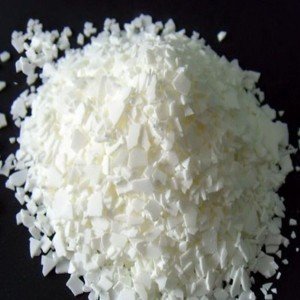
Trimellitic Anhydride (TMA) is a white, crystalline solid with a pungent odor, commonly derived from the oxidation of xylene. It is primarily used as an intermediate in the production of several industrial chemicals. Its strong reactivity makes it an important component in creating resins, coatings, plastics, and adhesives, among other materials. As an essential crosslinking agent, TMA enhances the mechanical and environmental properties of various products.
Major Applications of Trimellitic Anhydride (TMA)
1. Polyester Resins
Polyester resins are essential in automotive, construction, and consumer goods industries. Trimellitic Anhydride is a key ingredient in the production of unsaturated polyester resins (UPR), improving their strength, durability, and resistance to corrosion. This makes them ideal for manufacturing fiberglass reinforced plastics (FRP), automotive parts, and boat hulls. By acting as a crosslinking agent, TMA CAS: 552-30-7 strengthens the resin’s mechanical properties and increases its resistance to heat, moisture, and environmental stress.
2. Epoxy Resins
Epoxy resins, widely used in coatings, adhesives, and composite materials, also benefit from the incorporation of TMA. Known for their superior adhesion, chemical resistance, and electrical insulating properties, epoxy resins enhanced with TMA offer improved flexibility, impact resistance, and better performance. These enhanced epoxy resins are crucial in industries such as electronics, aerospace, and automotive manufacturing. TMA in epoxy coatings also helps form a protective layer against corrosion, making it ideal for industrial equipment, pipelines, and infrastructure.
3. Insulating Paints
In the electronics and electrical industries, insulating paints are vital for protecting components from heat and electrical hazards. TMA contributes to improving the electrical insulating properties of paints, making them ideal for use on electrical cables, circuit boards, and other components. This ensures protection against electrical short circuits and thermal damage, particularly in power generation, telecommunications, and electronics industries.
4. Plasticizers for PVC
Trimellitic Anhydride is commonly used as a plasticizer in the production of polyvinyl chloride (PVC) and other synthetic polymers. It improves the flexibility, workability, and durability of PVC products. TMA-based plasticizers enhance the lifespan and performance of PVC in applications such as flooring, cables, and packaging materials. The added flexibility and resistance to aging make TMA-enhanced PVC ideal for both indoor and outdoor use.
5. Flame Retardant Chemicals
As fire safety becomes more critical in various sectors, TMA’s role in flame retardant production has gained significant importance. TMA is used in synthesizing flame retardants that are added to textiles, plastics, and construction materials. The flame retardant chemicals derived from TMA help slow the spread of fire, providing crucial time for evacuation and reducing fire-related damage. These chemicals are used in the automotive, construction, and electronics industries to ensure higher safety standards.
6. Lubricants and Greases
TMA is also valuable in the formulation of lubricants and greases. It can enhance the resistance of lubricants to oxidation, heat, and wear, which in turn prolongs the life of machinery components. TMA-based lubricants are essential in industries like automotive, manufacturing, and heavy machinery, where efficient lubrication is crucial to reduce friction, minimize wear, and improve overall operational efficiency.
Environmental Considerations and Safety of TMA
While Trimellitic Anhydride offers numerous advantages in industrial applications, it’s crucial to consider safety and environmental concerns associated with its handling. TMA should be handled with care to prevent exposure to skin, eyes, and respiratory systems. Industrial workers should follow strict safety protocols to avoid health risks during production and handling processes.
Additionally, TMA is considered a chemical of concern for the environment, as improper disposal can lead to contamination of soil, water, and air. It is vital for manufacturers to ensure proper waste management and follow environmental regulations when disposing of TMA-based materials.
The Future of TMA in Industrial Applications
The demand for Trimellitic Anhydride continues to grow as industries focus on creating high-performance, durable materials. As manufacturing processes evolve, the need for versatile chemicals like TMA will remain high. Additionally, ongoing research and development are exploring more sustainable ways of utilizing TMA, such as enhancing the recyclability of TMA-based products and reducing environmental impacts.
TMA’s role in enhancing material properties makes it an indispensable part of industries like automotive, aerospace, electronics, and construction. As these sectors continue to innovate, TMA’s contributions will likely expand to meet new demands for durable, efficient, and environmentally friendly materials.
Conclusion
Trimellitic Anhydride (TMA) is a highly versatile chemical that plays a crucial role in the production of resins, coatings, plastics, and flame retardants across various industries. From improving the mechanical properties of polyester and epoxy resins to enhancing the insulating properties of paints and the flexibility of PVC, TMA significantly improves the performance and longevity of materials. As industries evolve, TMA’s applications will continue to grow, driving innovation and meeting the need for high-performance, durable materials across the manufacturing sector.